The African Violet Collection

The African Violet Collection
The Queen of House Plants

Monday, March 5, 2012

Featured plant: dyer's chamomile, margarite

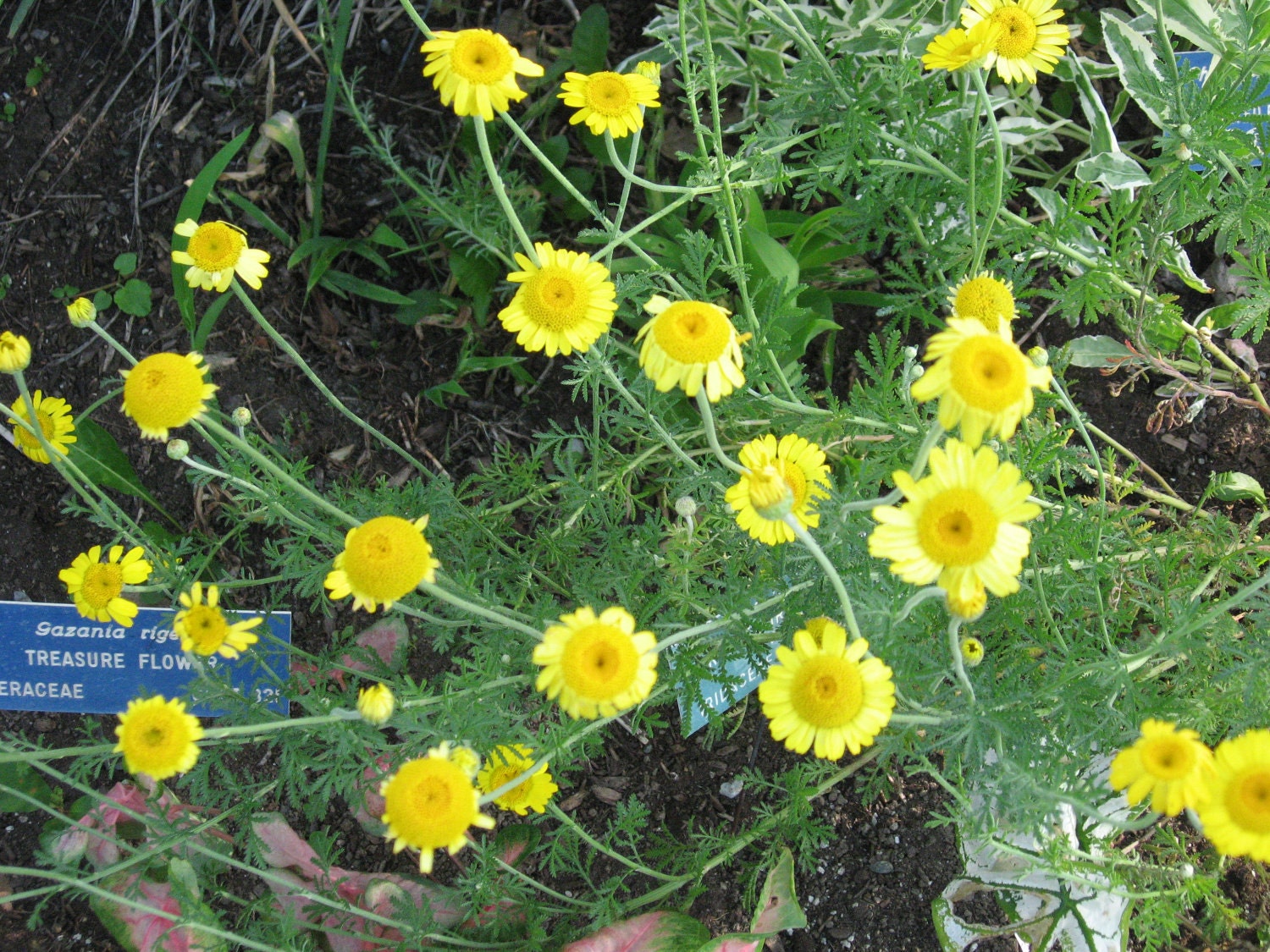
Margarite, Dyer's chamomile, 150 seeds, perennial, sunny yellow
zoom
Margarite, Dyer's chamomile, 150 seeds, perennial, sunny yellowMargarite, Dyer's chamomile, 150 seeds, perennial, sunny yellow
Dyer's chamomile (Anthemis tinctoria) Perennial. Zones 3-9. This is one of the delightful flowers. It's golden yellow color cheers up any garden space. It grows to 2', bears it's button like golden daisy flowers in droves from early summer to late summer. Continuous bloom if you dead head them weekly. Deadheading is especially important if you do not want them to spread rampantly. This plant is somewhat drought tolerant and it is said that deer do not like them and where elk are a garden problem, they don't like it either. It can grow in full to part sun, with more sun you get more flowers.

Featured plant: yellow hollyhock

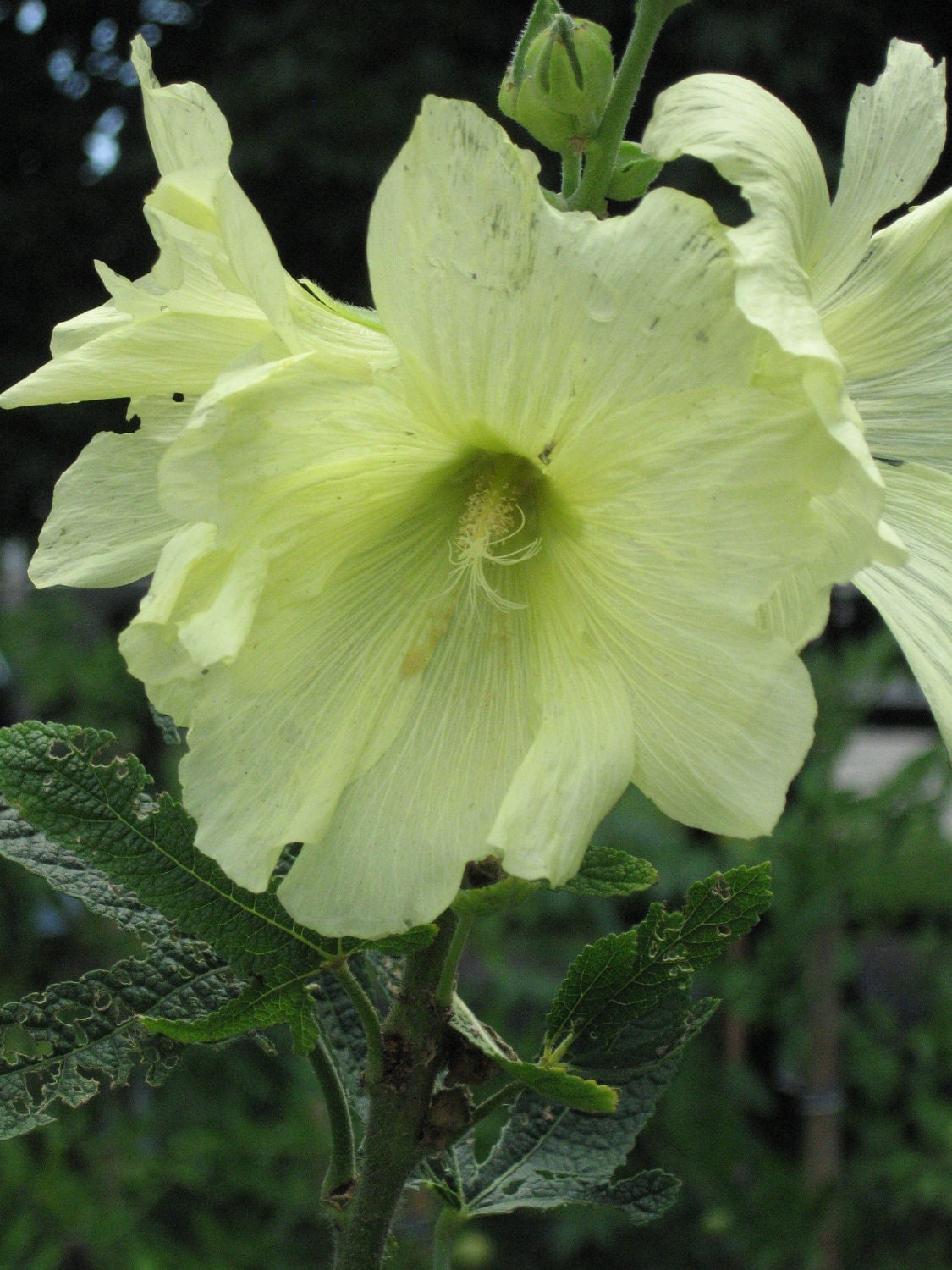
YELLOW HOLLYHOCK, perennial, 75 seeds, stately back of the border plant
zoom
perennial yellow hollyhock (Alcea rugosa) Perennial. Zones 3-8. This is a Russian variety of hollyhock. It grows to 6' and bears a multitude of single, pale yellow flowers. It requires full sun, water when dry, and likes to have good fertile soil. I've seen references that this is supposed to be very resistant to rust, but I've not found that to be true. It is one of my favorite hollyhocks and it's a bonus to me that it is a perennial. I particularly like it planted with pink hollyhocks.

Featured plant: Purple coneflower, echinacea

PURPLE CONEFLOWER, Echinacea, 100 seeds, perennial, medicinal, birds and butterflies

PURPLE CONEFLOWER, Echinacea, 100 seeds, perennial, medicinal, birds and butterflies
zoom
PURPLE CONEFLOWER, Echinacea, 100 seeds, perennial, medicinal, birds and butterflies PURPLE CONEFLOWER, Echinacea, 100 seeds, perennial, medicinal, birds and butterflies PURPLE CONEFLOWER, Echinacea, 100 seeds, perennial, medicinal, birds and butterflies PURPLE CONEFLOWER, Echinacea, 100 seeds, perennial, medicinal, birds and butterflies PURPLE CONEFLOWER, Echinacea, 100 seeds, perennial, medicinal, birds and butterflies
Purple coneflower (Echinacea purpurea) Perennial. Zones 2-10. This is a very pretty medicinal plant. It's purple/pink blooms appear in July-August. It needs full sun, well drained soil, and water when dry. It will grow in part sun but will be spindly and have a tendancy to flop over and have fewer blooms. It grows to 3', sometimes 4' in good soil or with added organic matter. Will bloom the second year from seed. This is the most widely used Echinacea for boosting the immune system. All parts of the plant are considered medicinal. Pretty in the border and also attracts butterflies in bloom and goldfinches when in seed.

Buy seeds here!
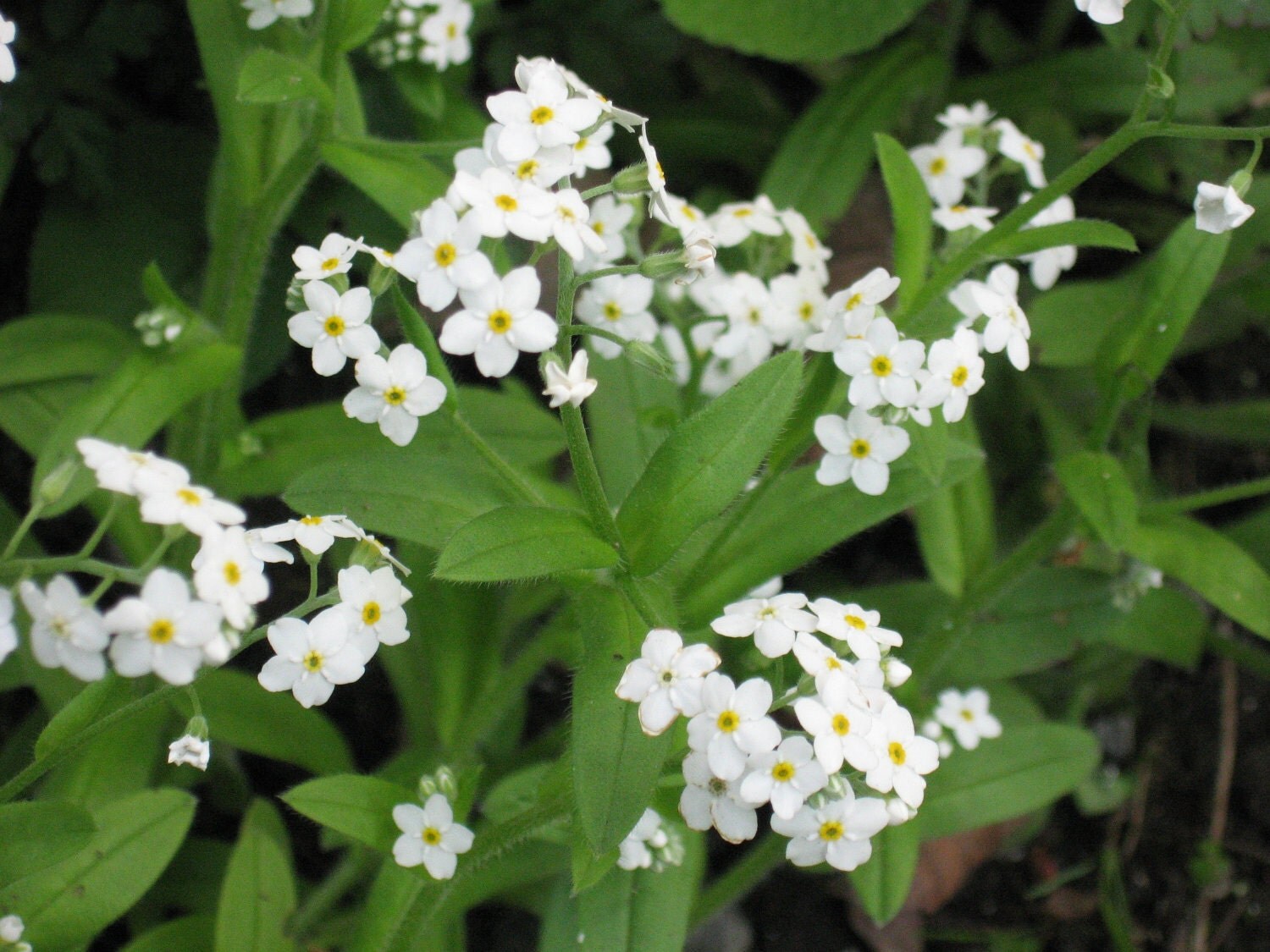
FORGET ME NOTS, 200 seeds,biennial, blooms in spring, good for shady places, mixed colors
zoom
FORGET ME NOTS, 200 seeds,biennial, blooms in spring, good for shady places, mixed colorsFORGET ME NOTS, 200 seeds,biennial, blooms in spring, good for shady places, mixed colorsFORGET ME NOTS, 200 seeds,biennial, blooms in spring, good for shady places, mixed colors
Forget me nots (Myosotis sylvatica). Biennial. This old timey favorite blooms in the spring in airy sprays of sky blue, white, or pink flowers. It prefers moist soil and part sun and grows and looks well with ferns or in a woodland environment. If planted this year, expects blooms the following year. Also, expect it to spread. I started out with 3 plants and wound up with hundreds in about 2 years. They look ratty once they stop blooming and go to seed, but if you want them to multiply, let them seed. These plants are prone to a fungus called powdery mildew. It looks like a white dust that can't be washed off the upper leaves. It can be controlled by spraying the plants with milk once a day until you no longer see any evidence of it. Expect neighborhood cats to be somewhat intrested in the plants after spraying.I find it to be a problem on the second year plants and they are going to die anyway after they bloom. Younger plants rarely get but one or two spots of it if at all. The mix has all 3 colors but there is mostly blue.

Featured plant: Shasta Daisy

SHASTA DAISY, 100 seeds,perennial, she loves me, she loves me not,
zoom
Shasta Daisy, (Chrysanthemum maximum) Perennial. Zones 4-10. She loves me, she loves me not, she loves me....the flower of love determination. This is a domestic creation from the oxeye daisy. Blooms are often 4" across on plants that produce prolifically. Grows to 30" when happy. What makes it happy? Full sun, water when dry, and fertile soil. It can tolerate some drought so is good in xeriscapes. It is said to be resistant to deer...but I always wonder. I've never seen deer pass up any plant that I like too. Daisies attract butterflies and bees and are very suitable for a moon or white garden. Just an all around good plant for the border.

Featured plant: belladonna

BELLADONNA, 50 seeds, witch's herb, perennialBelladonna (Atropa belladonna).Perennial. Zone 6-9. First and foremost, this plant is deadly if consumed, especially the berries which are attractive to children. If you grow this plant, you must keep from consuming it as well as keep others from consuming any part of it. Buyer assumes all responsibility for the use of this plant.. So, why grow it? Well, if you are a compulsive collector of odd, rare, or unusual plants like I am, here's one for you. I once had a garden of witches' herbs, many of which were poisonous. It was in an out of the way corner of the garden with a fence and gate around it to keep out little ones and pets. My kids grew up knowing they were not to eat anything in my flower gardens unless I saw it first...even if they thought they knew what it was. This plant has some medical history as well as it's use to make witches feel like they were flying...it's part of the poisoning effect. Definitely not recommended as this is one plant that is not to be messed about with. Medically, it is a source for atropine and the drops that eye doctor's use to dilate the pupils contain compounds found in this plant. In fact, it was vogue at one time for Italian women to put drops of belladonna in their eyes to dilate the pupils to make them more beautiful....hence belladonna for beautiful lady. It was one of the poisons of choice for knocking off husbands, particularly Roman emperor type husbands, and it was the poison that was used in MacBeth. Throughout the places where it grows, it is also known as deadly nightshade. It grows to 5' in shady, moist places, and prefers a high pH soil, above pH 7.0. It has pretty flowers and dark berries.

Buy seeds here!

Saturday, March 3, 2012

AMBROSIA, 100 seeds, incredibly fragrant annual, craft uses
zoom
Ambrosia (Chenopodium botrys) Annual. This plant is also known as Jerusalem Oak and goosefoot. It's scent is delicious, so much so you'll want to eat it. According to the USDA, it is edible and I've heard it makes good tea. I have yet to try it. The plant itself grows to about 2' with the bulk of the plant being the flower head. Mine always grow small. I think it is because of where I have them. It is often dry and may be too dry to provide maximum growth. It needs full sun, water when dry, and fairly decent soil. Good fertility will make it grow to it's full potential. Great for pot pourrie, putting in swags and wreathes, Victorian theme gardens, cottage gardens, or just to have a pot on the windowsill.