The African Violet Collection

The African Violet Collection
The Queen of House Plants
Showing posts with label plants. Show all posts

Friday, May 25, 2012

Featured plant: scarlet flax


Scarlet flax,  100 SEEDS,bright annual, drought tolerant
zoom
Scarlet Flax (Linum grandiflorum rubrum.).Annual. Planted in a mass planting, these flowers make a stunning display. It prefers full to part sun and should have well drained soil. It is somewhat adaptable but should not be sown where it is too wet. Grows to about 2' and blooms mid to late season. Will reseed itself in some areas but rarely becomes invasive.

Sunday, May 20, 2012

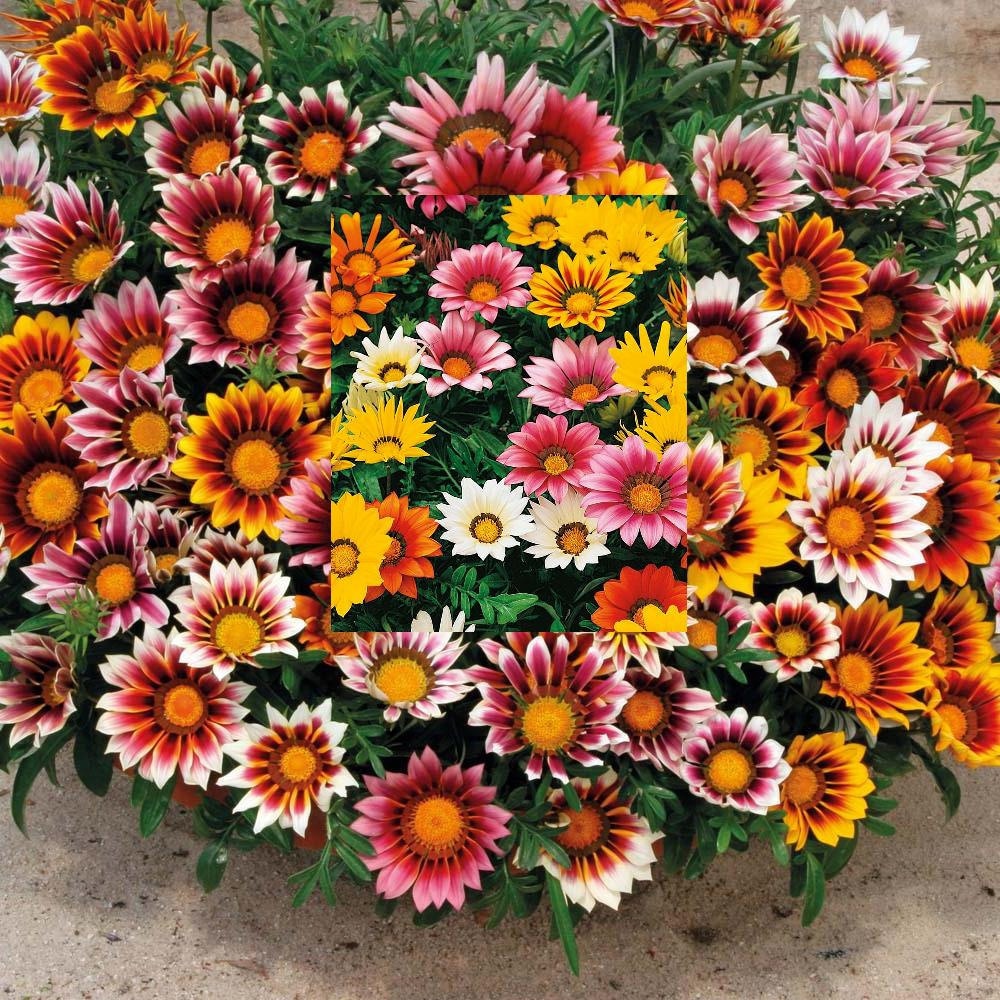
Featured plant: gazania, African daisy


Gazania (Gazania splendens) Annual in cold climates, perennial indoors or in warm climates. This is a bold eye popper in any garden. The colors are just magnificent. Bright color in interesting combinations. Needs full sun, water when dry...though will tolerate some drought (hates wet feet). Grows to about 18".

Buy seeds here! 

Monday, April 2, 2012

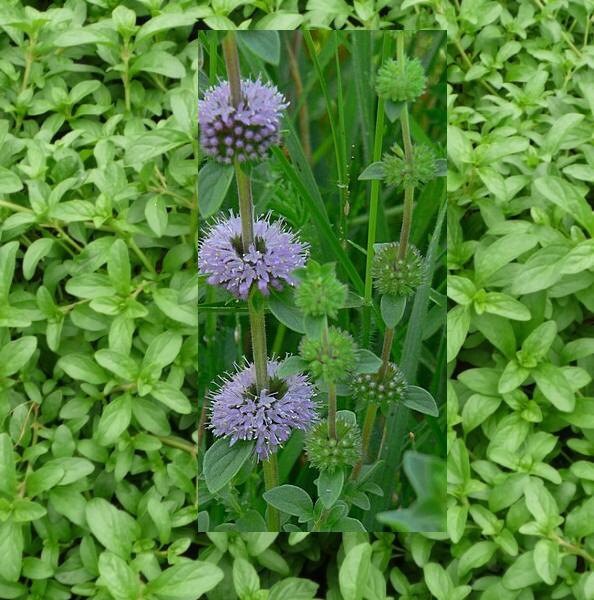
Featured plant: pennyroyal


PENNYROYAL, perennial, minty herb, rder now for spring shipping, perennial, medicinal herb
zoom


. 
Pennyroyal (Mentha pulegium). Perennial. Zones 6-9. This member of the mint family has a very pleasant aroma. It was used in the past to flavor desserts and was recommended as a tea to help relieve headache. The herb itself is relativly safe, but the concentrated essential oil, which is used in mixtures to repell insects, is not. It mustn't be used on pregnant animals or used by pregnant women as it causes abortion. It definitely should NOT be used for the purpose of intentionally causing abortion because it does liver damage. I did see one reference to the tea may have caused a miscarriage in a pregnant woman, but I only saw one reference to that. The tea shouldn't have concentrated essential oil in it but it probably would be a good idea to avoid drinking it if one is pregnant. Handling the plant causes no problems that I have seen reference to. The plant sometimes wintered through my Zone 5 garden, but it should be considered a tender perennial in Zone 5. It prefers full to part sun, moist, fertile soil. Can tolerate wet soil as long as it is not permanently wet. Stays low to the ground except when it flowers.

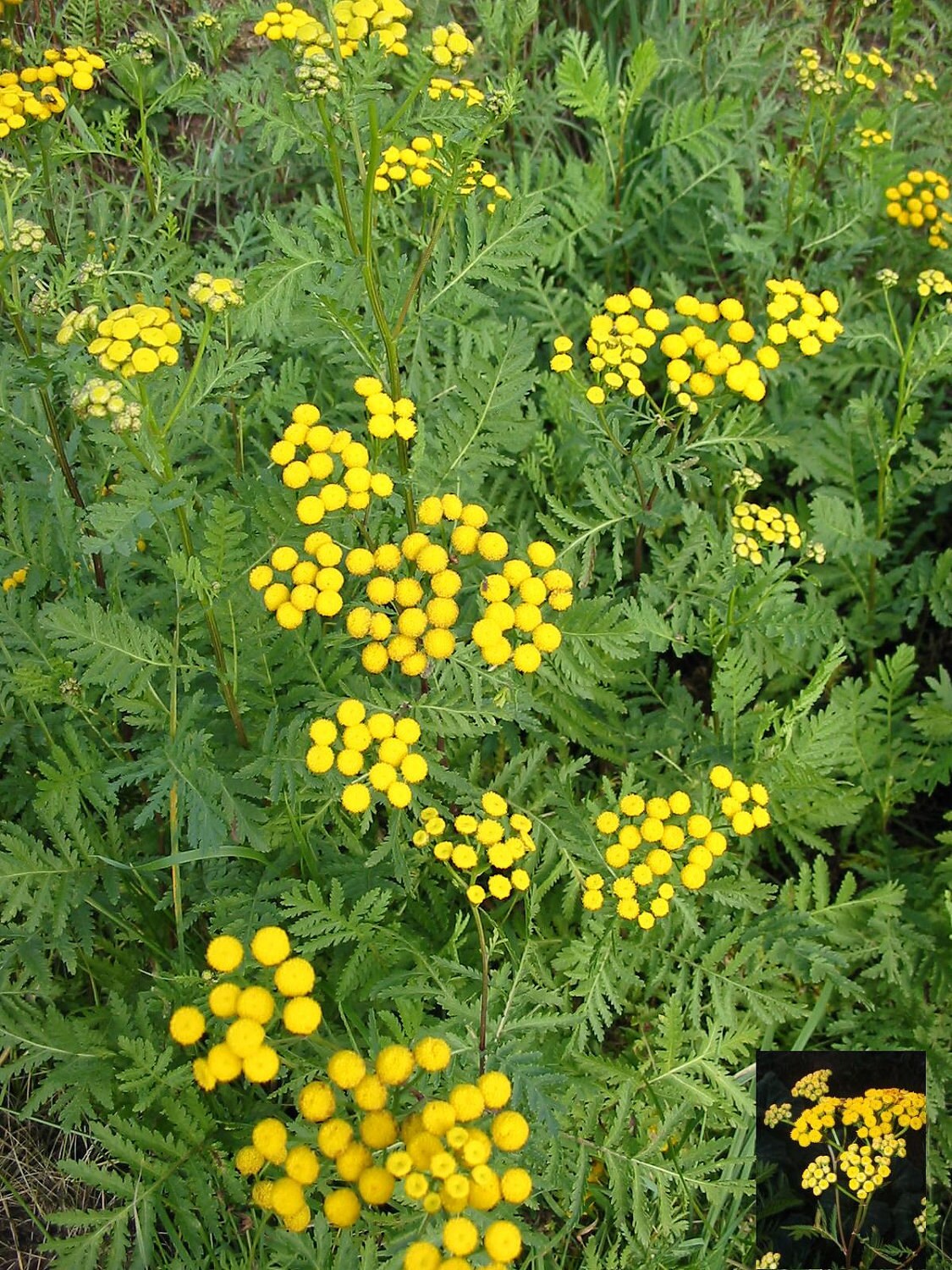
Featured plant; tansy


TANSY, live plant, perennial, tall growing

TANSY, live plant, perennial, tall growing
zoom


Tansy(Tanacetum vulgare). Zone4-9 Traditionally, it was used to flavor tansy pudding in the spring, but it does contain compounds that can damage the liver so perhaps that's not a good idea. Tansy is supposed to repel ants and cockroaches from around baseboards, counters, etc. In the garden, I always see it covered with ants. You decide whether or not it works. Keep in mind when you plant this, that it does spread alot. Not only do the clumps get larger every year, it profusely seeds as well. Keep it from getting into pastures or hay fields because it causes abortion in pregnant livestock. Tansy will do ok in most soils and it prefers full sun and water when dry. Will grow to 5' tall.
Buy plants here! Seed also available, inquire

Tuesday, March 20, 2012

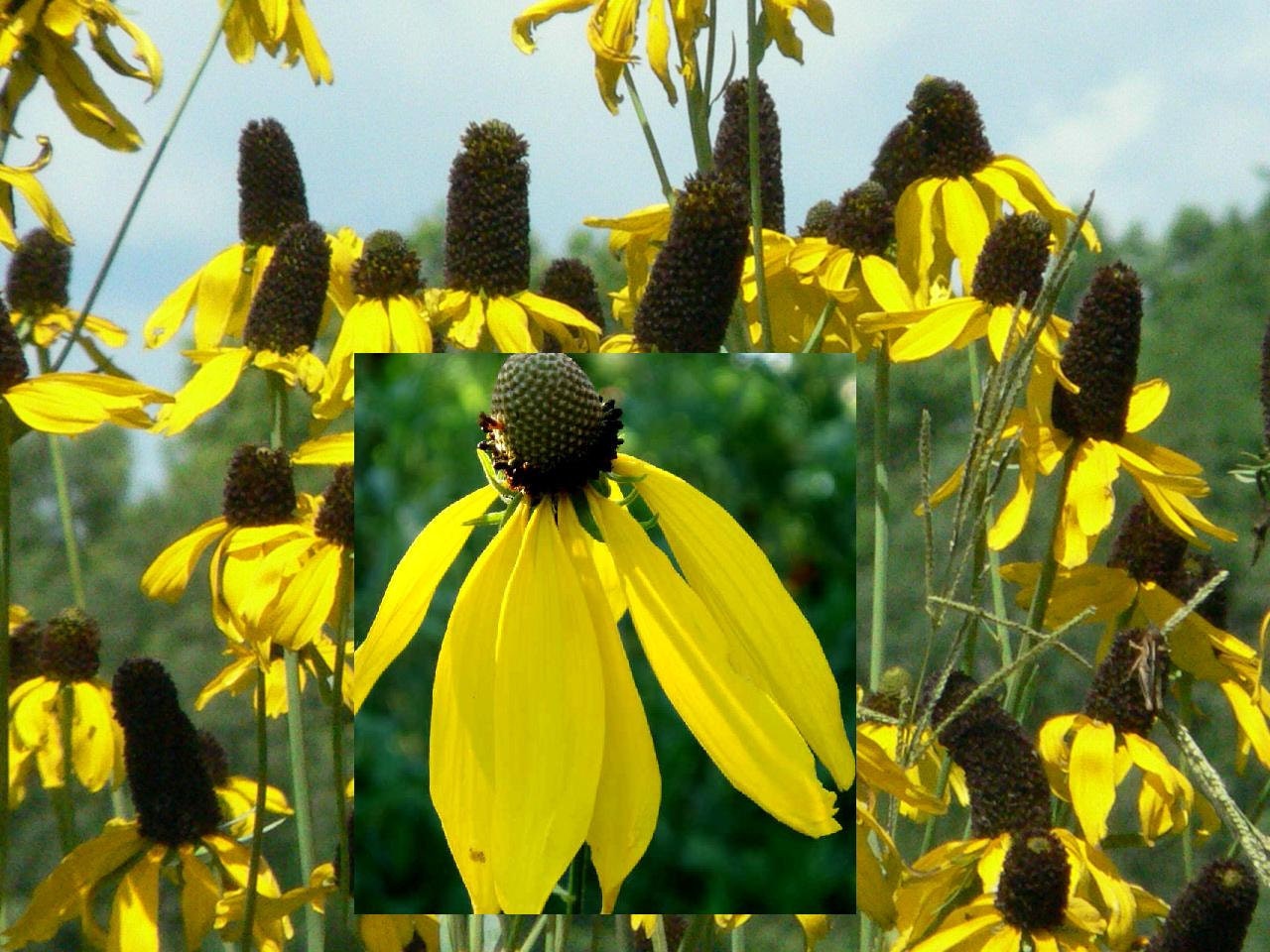
Featured plant: yellow coneflower

100 seeds,YELLOW CONEFLOWER, native beauty
zoom
Yellow coneflower (Ratibida pinnata) Perennial. It grows from Ontario Canada down to Georgia and of course, all the prairie states. It grows to about 3' tall, sometimes 4' so would be best at the back of the border. Butterflies and bees like this plant. Quite drought tolerant, it prefers full sun, and water occasionally. Blooms from July to September and it transplants easily. Pretty companion bloomer to the monardas. Will spread by seed, but not rampantly.

Saturday, March 17, 2012

Featured plant: gooseneck loosestrife

GOOSENECK LOOSESTRIFE, ole time garden plant, live plant
zoom
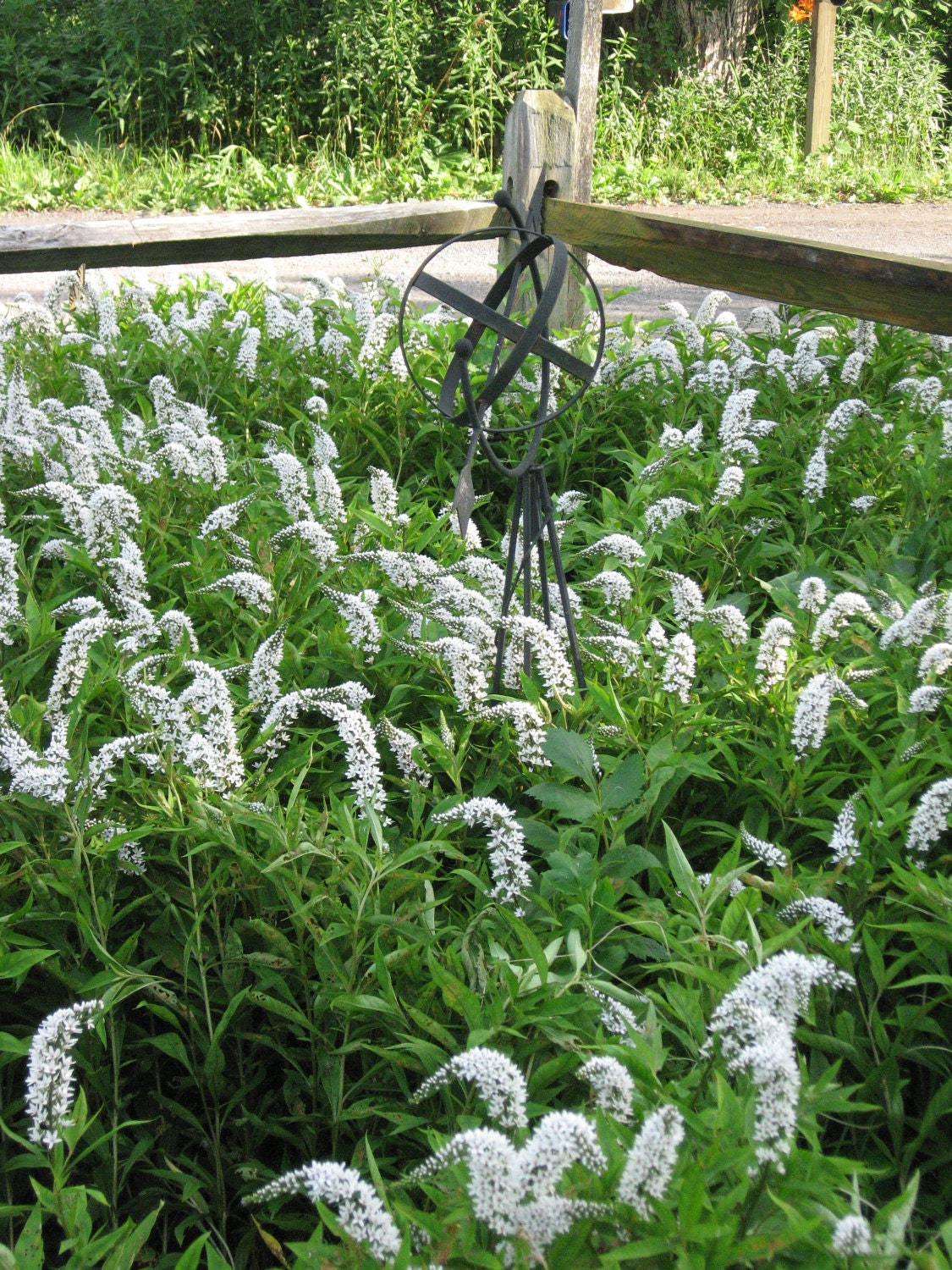
Gooseneck Loosestrife(Lysimachia clethroides) gets its name from the way the flower heads arch, resembling goose necks. A large patch of them resembles a flock of geese. As you can see, the flowers are attractive to butterflies. This is a very aggressive grower so it should be planted where you don't mind it trying to take over the world. What will be shipped will be stolons, underground vegetative propagation parts. Zones: 4-9. Full to part sun, prefers to be on the moist side. Grows 1-3'.
Buy plants here! USA shipping only

Featured plant: garden loosestrife

100 seeds, YELLOW GARDEN LOOSESTRIFE, ole time garden plant 
Garden Loosestrife (Lysmachia vulgaris) Perennial. NOTE: I can not ship seeds or plants of this to CT or WA. If you are from these states, please do not purchase. I will have to cancel the transaction. This is one of the old timey garden plants found in the gardens of many old houses. It can grow to 4' if happy and has bright yellow flowers. It prefers full sun but will do ok in part sun. It can tolerate dry conditions and does particularly well in wet areas...a little too well. It can become a troublesome, invasive weed in wetlands and that is the reason why I can't ship it to CT or WA. Contained in a garden setting, well away from wetlands, it can be kept in bounds. Zones 4-9.

Buy seeds here!

Wednesday, March 14, 2012

Featured plant: onion chives

CHIVES, ONION, perennial culinary  herb, fresh is best, one plant
zoom


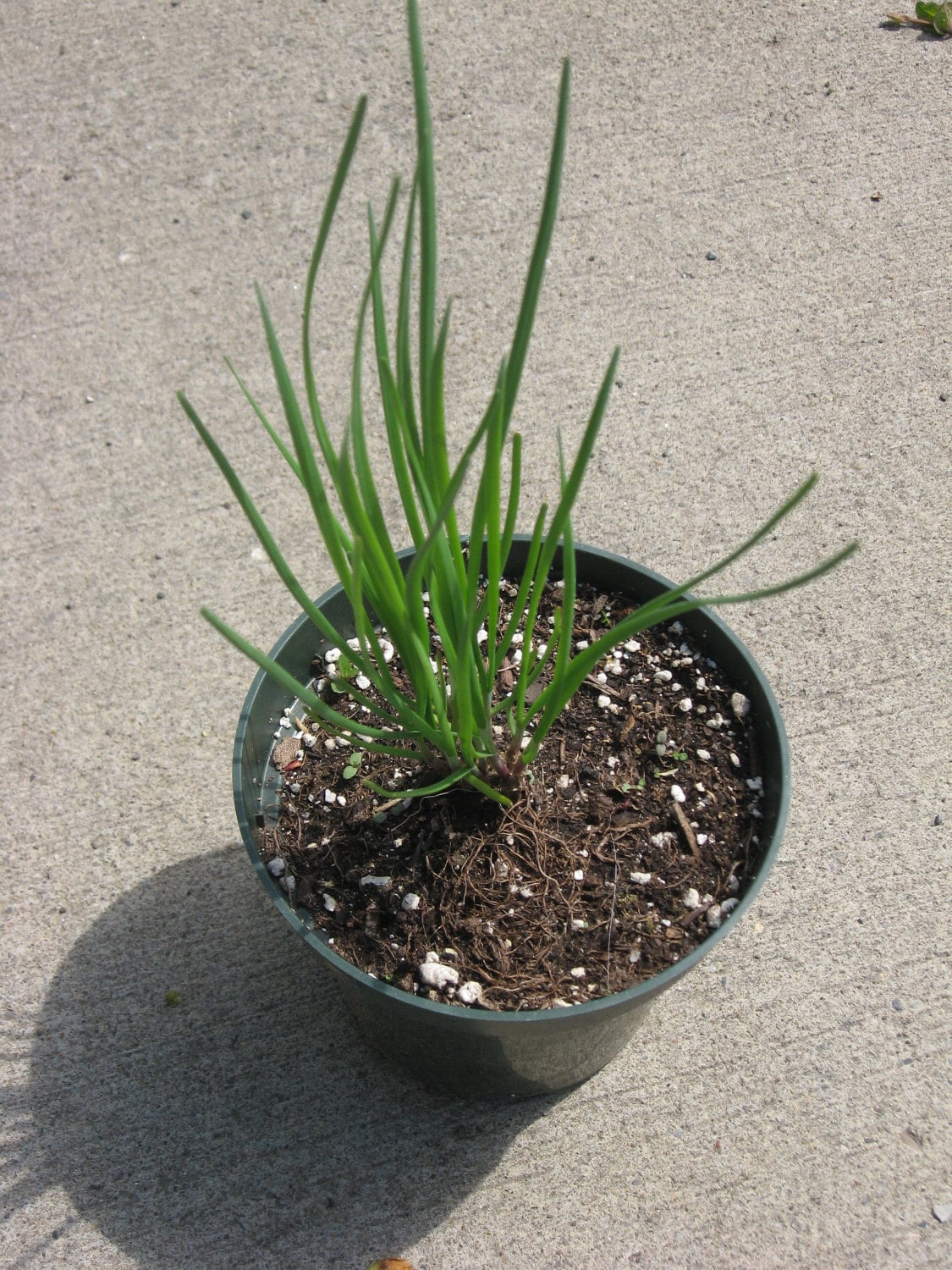
Chives (Allium schoenoprasum) Perennial. Z3-9. Chives is one of those essential culinary herbs. Just a little bit of fresh chives added to a baked potato with butter, cottage cheese, omelets, and fish really gives a delightful flavor.It grows to about 2' and does best if cut often to keep the young, tender leaves coming. It blooms in spring and the blossoms are edible too. Just pull the florets apart and sprinkle on salad. It can profusely seed itself to the point of annoyance, but eat the blossoms and it will slow the spread. It also multiples within the clump. It needs full sun, water when dry, and prefers well drained, fertile soil.

Tuesday, March 13, 2012

Featured plant: foxglove, perennial

100 seeds, PERENNIAL FOXGLOVE, pale yellow, tall and stately

100 seeds, PERENNIAL FOXGLOVE, pale yellow, tall and stately
zoom
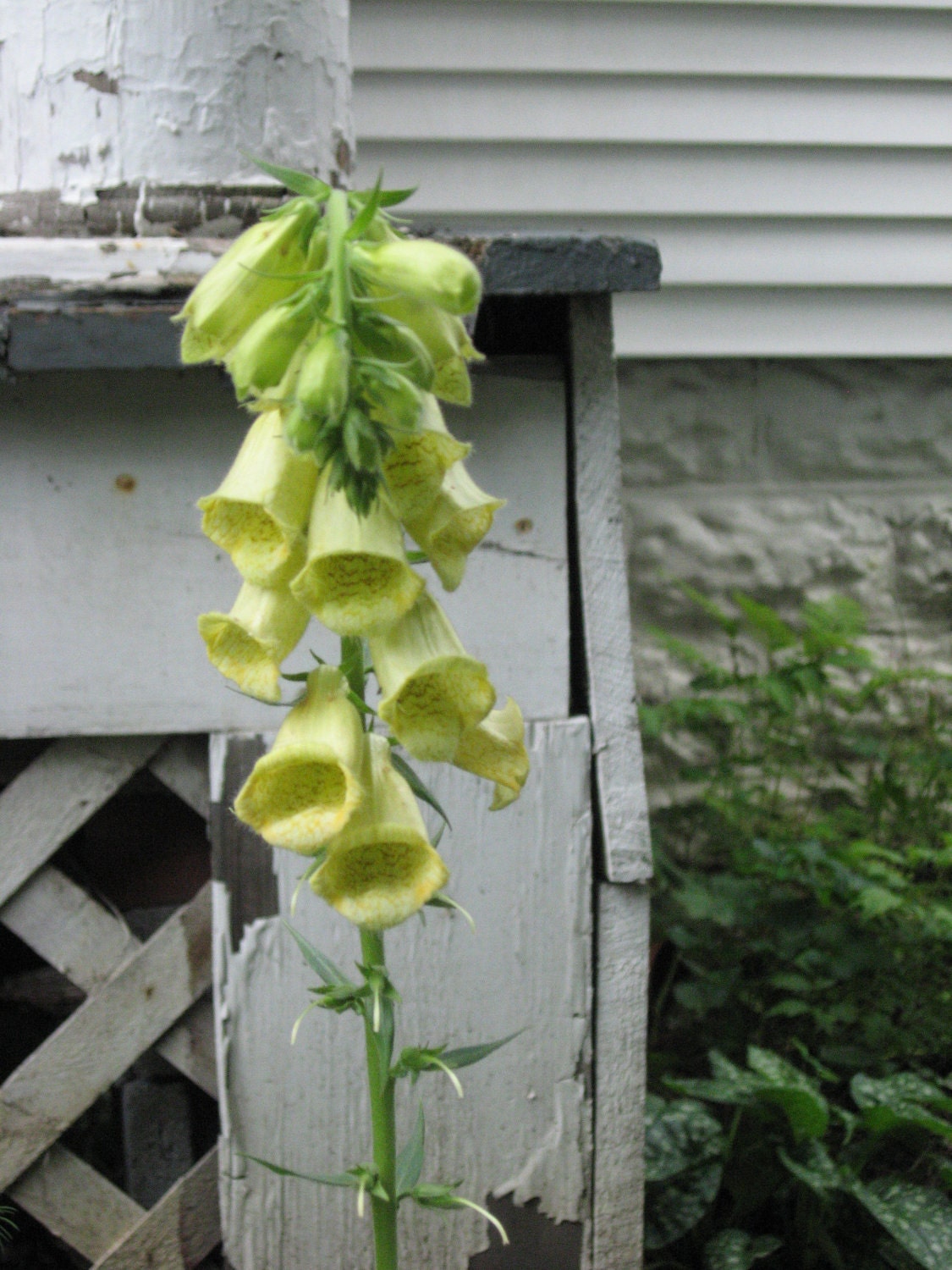
Perennial yellow foxglove (Digitalis grandiflora) Perennial. Unlike other foxgloves, which are biennial, this pale yellow one is perennial. It grows to 3' will grow in full to part sun and will seed itself. It does appreciate water when dry but do not overwater it. It dislikes soggy conditions and transplanting. I suggest starting it in the place it is to grow. It can be started in pots but it's difficult to keep it happy. A little too much water and root rot takes out most of them. Transplant them up to bigger pots, and they sulk and threaten to die. One important note: ALL PARTS OF THIS PLANT ARE EXTREMELY POISONOUS AND IT SHOULD NOT BE CONSUMED. The genus Digitalis is the origin of the heart drug digitalis. Traditionally, it was used to treat dropsy, a condition that is characterized by swelling of the lower body. It was not known that it was caused by congestive heart failure but a wise woman, a woman who treated people for it with an herb got amazing results. It was illegal at the time to practice herbal medicine and a local doctor couldn't get it out of her what she used. He finally found out and promptly killed scores of people before he found the correct doseage which is very unpredictable and minute. Apparently, it was illeagal for her to practice medicine and cure people but ok for the doctor to practice medicine and kill people.

Sunday, March 11, 2012

Featured plant: Canterbury Bells


125 seeds, CANTERBURY BELLS, mixed colors, mostly white, stately bells
zoom
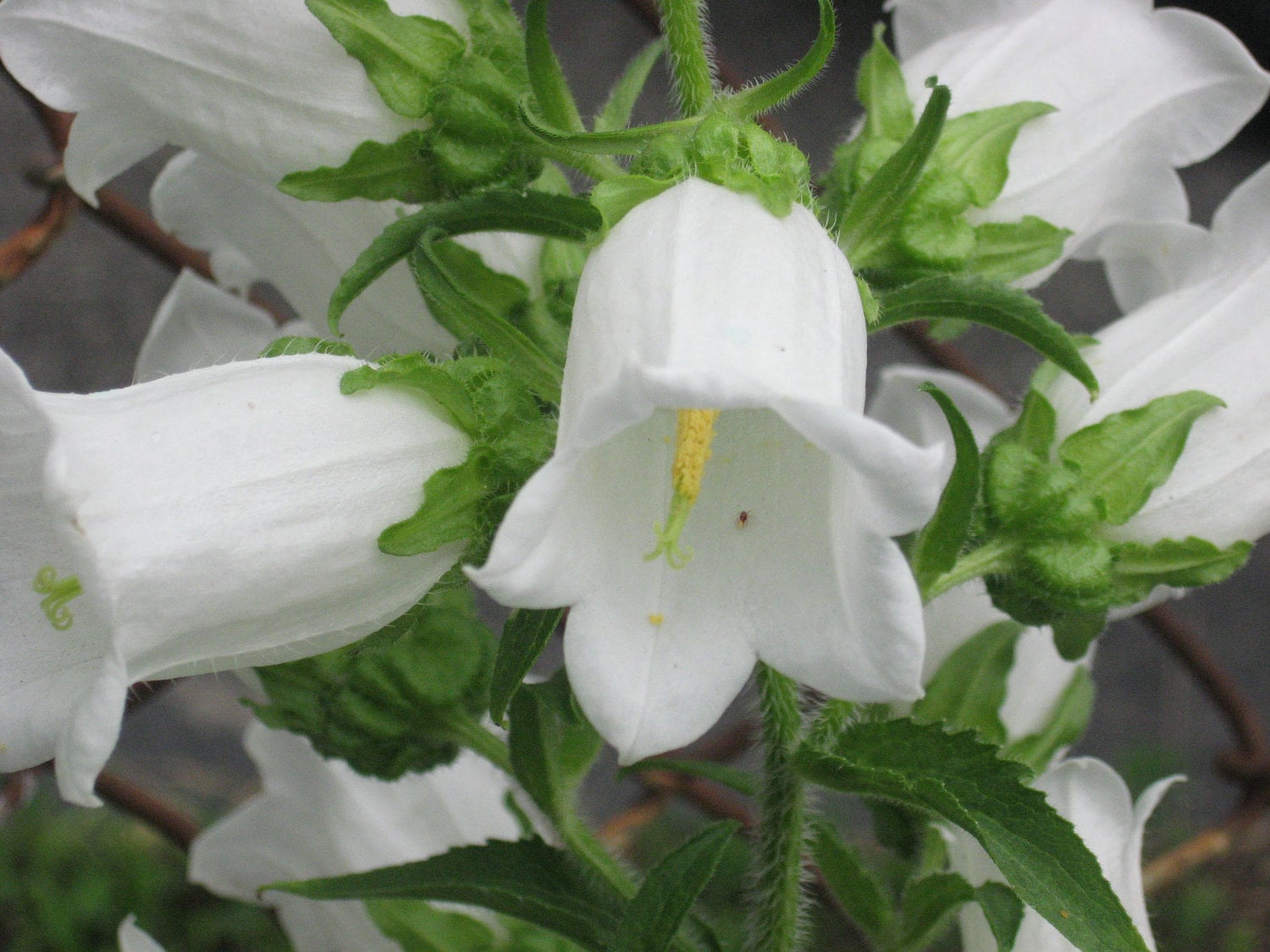
Canterbury bells(Campanula medium) Biennial. Zones 4-10. This is one of the showiest garden flower. Huge bells about the diameter of a hot dog in pastel shades of pink, blue and white. It grows to about 3' tall in very good soil with adequate water and sun. It spends it's first year as a low to the ground rosete. The second year, it begins sending up the flower stalk. After it sets seed, it will die. Prefers full sun.

Featured plant: lemon balm


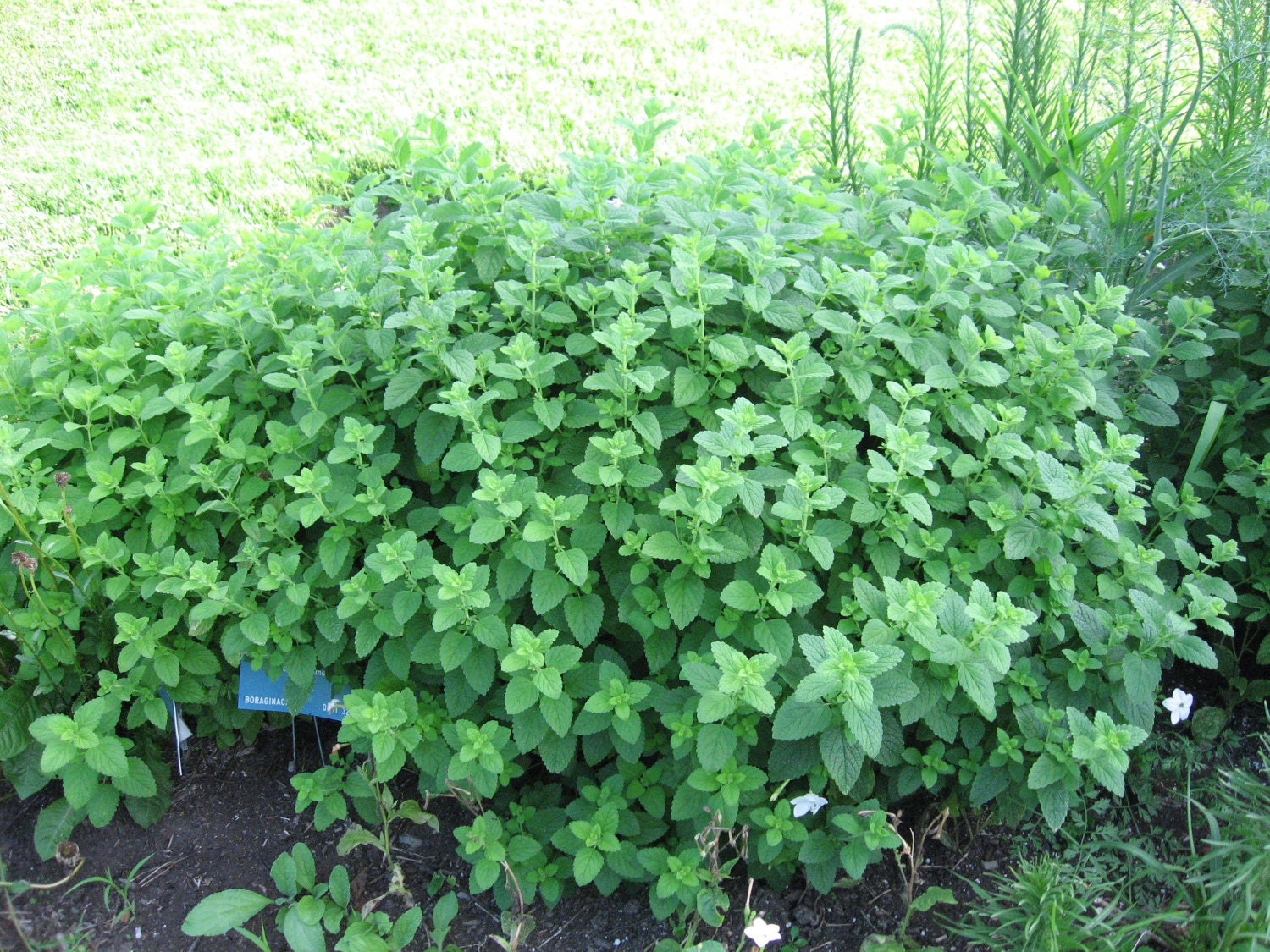
100 seeds,LEMON BALM, medicinal herb, lemony herb for tea, perennial
zoom
Lemon balm (Melissa officnalis). Perennial. Zones5-9. This is one of those fragrant, lemony herbs that is excellent in hot or cold tea by itself, with other herbs, or added to iced tea. Additionally, it is used to calm the nerves. It also is being investigated as an anti-viral. Lemon balm is one of those old timey herbs that are a must in any herb garden. Be warned. It will spread somewhat rampantly by seed and root. It needs full sun, will grow in part sun, but not as well. Grows to 2' when flowering. The flowers are white. It likes well drained, fertile soil, and water when dry. It wilts miserably if it doesn't get enough water.

Saturday, March 10, 2012

Featured plant: Wild sweet peas

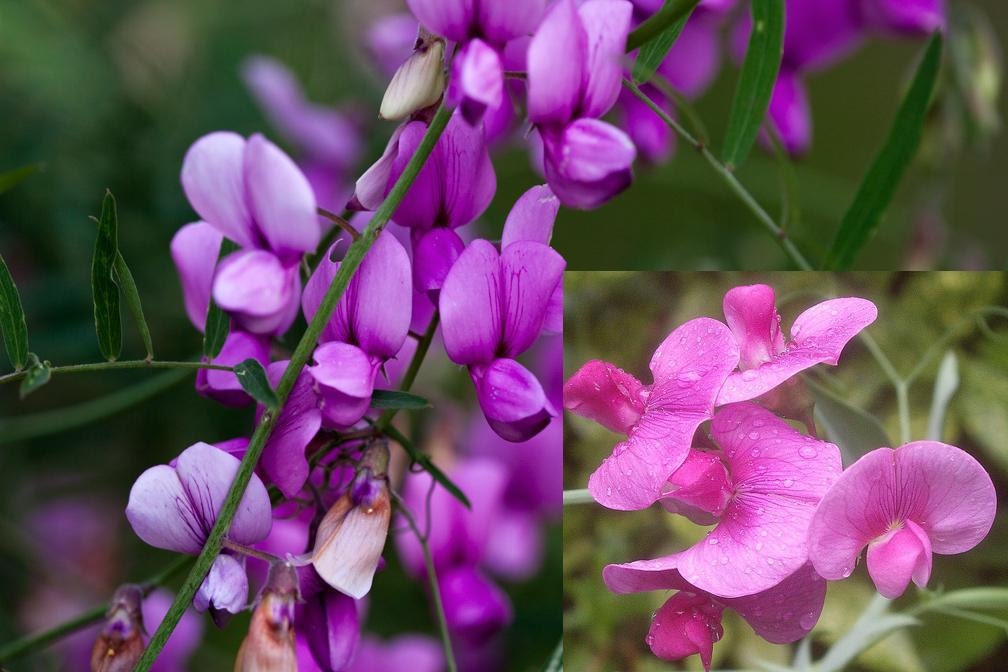
25 seeds, WILD SWEET PEAS, flowering vine
zoom
Sweet pea(Lathyrus latifolia) Perennial. Zones 5-9. This perennial sweet pea does not have the sweet pea scent. The trade off is that it is perennial and you can enjoy it year after year once you get it started. I've seen it come in many shades of pink and it can grow in the most abysmal soil...that which is in road cuts. I often see it growing happily on road banks. It doesn't do well in dry years without supplemental water. It can be trained to grow up strings or trellis. Sweet peas are vines and they can either ramble or climb. It needs full sun, but I've seen it growing ok in part sun.

Monday, March 5, 2012

Featured plant: dyer's chamomile, margarite

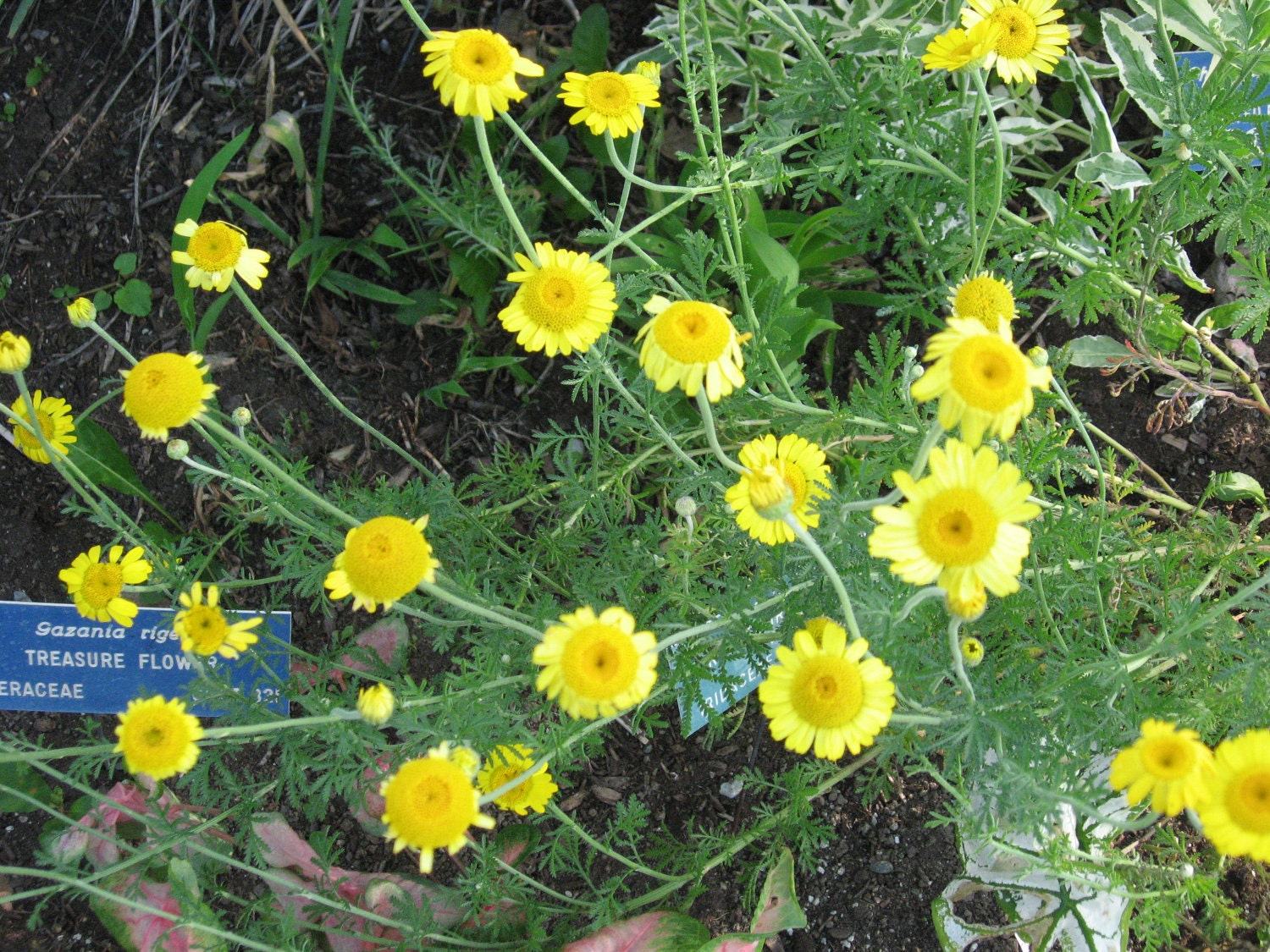
Margarite, Dyer's chamomile, 150 seeds, perennial, sunny yellow
zoom
Margarite, Dyer's chamomile, 150 seeds, perennial, sunny yellowMargarite, Dyer's chamomile, 150 seeds, perennial, sunny yellow
Dyer's chamomile (Anthemis tinctoria) Perennial. Zones 3-9. This is one of the delightful flowers. It's golden yellow color cheers up any garden space. It grows to 2', bears it's button like golden daisy flowers in droves from early summer to late summer. Continuous bloom if you dead head them weekly. Deadheading is especially important if you do not want them to spread rampantly. This plant is somewhat drought tolerant and it is said that deer do not like them and where elk are a garden problem, they don't like it either. It can grow in full to part sun, with more sun you get more flowers.

Featured plant: yellow hollyhock

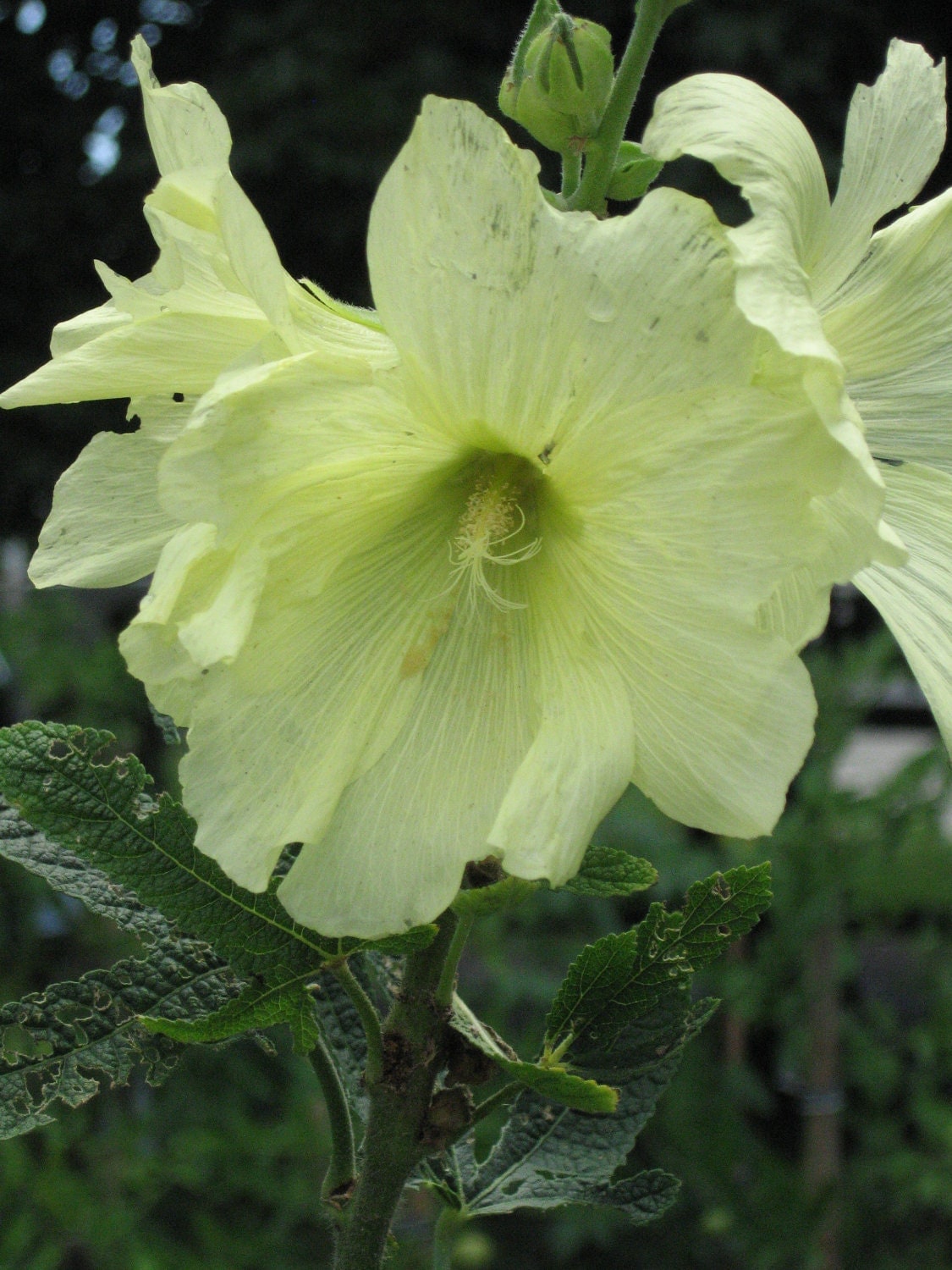
YELLOW HOLLYHOCK, perennial, 75 seeds, stately back of the border plant
zoom
perennial yellow hollyhock (Alcea rugosa) Perennial. Zones 3-8. This is a Russian variety of hollyhock. It grows to 6' and bears a multitude of single, pale yellow flowers. It requires full sun, water when dry, and likes to have good fertile soil. I've seen references that this is supposed to be very resistant to rust, but I've not found that to be true. It is one of my favorite hollyhocks and it's a bonus to me that it is a perennial. I particularly like it planted with pink hollyhocks.
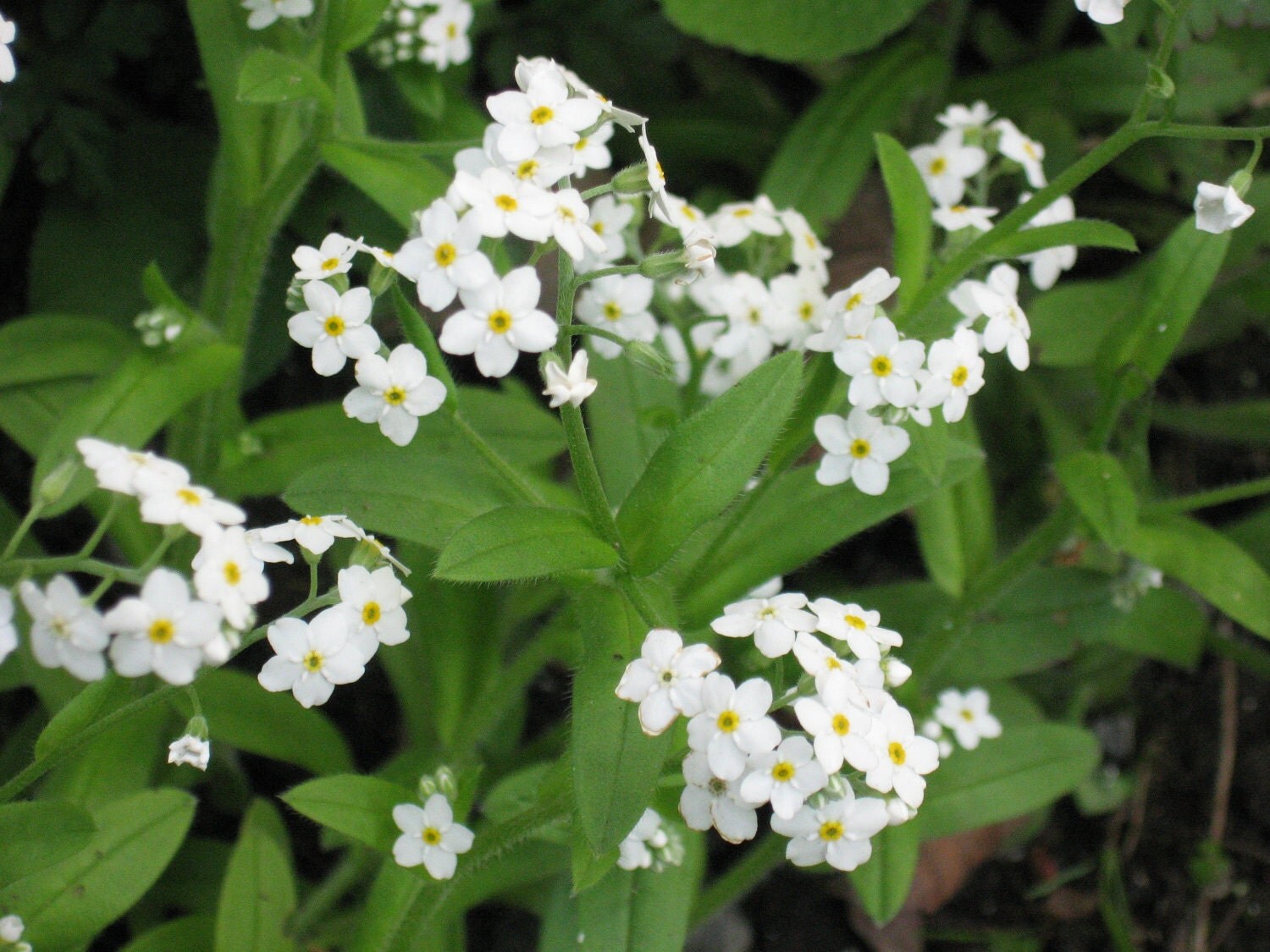
FORGET ME NOTS, 200 seeds,biennial, blooms in spring, good for shady places, mixed colors
zoom
FORGET ME NOTS, 200 seeds,biennial, blooms in spring, good for shady places, mixed colorsFORGET ME NOTS, 200 seeds,biennial, blooms in spring, good for shady places, mixed colorsFORGET ME NOTS, 200 seeds,biennial, blooms in spring, good for shady places, mixed colors
Forget me nots (Myosotis sylvatica). Biennial. This old timey favorite blooms in the spring in airy sprays of sky blue, white, or pink flowers. It prefers moist soil and part sun and grows and looks well with ferns or in a woodland environment. If planted this year, expects blooms the following year. Also, expect it to spread. I started out with 3 plants and wound up with hundreds in about 2 years. They look ratty once they stop blooming and go to seed, but if you want them to multiply, let them seed. These plants are prone to a fungus called powdery mildew. It looks like a white dust that can't be washed off the upper leaves. It can be controlled by spraying the plants with milk once a day until you no longer see any evidence of it. Expect neighborhood cats to be somewhat intrested in the plants after spraying.I find it to be a problem on the second year plants and they are going to die anyway after they bloom. Younger plants rarely get but one or two spots of it if at all. The mix has all 3 colors but there is mostly blue.

Tuesday, February 14, 2012

Featured plant: California poppy

California poppy. (Eschscholzia californica). Annual. Easy to grow if one observes it does not like to be moved so sowing in the place it is to grow is necessary. May be sown outdoors in the fall for spring germination. It grows to 2' and blooms and blooms. It will seed itself and spread. It is drought tolerant and prefers full sun, well drained soil, and occasional water when it is dry for a long period of time.

 Buy the seeds here!