Toadflax, baby snapdragon (Linaria sp.) Perennial. Zones 5-10. This is a tall growing plant, about 3'. It bears spikes of lavender blue flowers in early to mid summer. The flowers look like little snapdragons. The picture shows them in full bloom, they are leaning out over the sidewalk. These are growing in part sun but I believe they prefer full sun. They like regular water. Well drained, fertile soil is best.
Buy seeds here!
All things plants and at the bottom of the blog, Shanti's Amazon Plant Book Pics. View and purchase books directly from Amazon.
The African Violet Collection
The Queen of House Plants
My Favorite Links
Sunday, February 12, 2012
Featured plant: elecampane
Elecampane (Inula helenium) Perennial. Zones 3-8. The roots of this plant were once candied as a confection and it is said to be a favorite of Helen of Troy. It is tall growing, 3-4' with large leaves and very pretty yellow flowers. It can be seen growing wild in untended meadows. Medicinally it is used to quiet coughing and to aid digestion. Elecampane is also used to produce yellow and orange dyes, which color depends on the mordants used. I just like it because it is pretty and looks good at the back of the border. It needs full sun, but will grow in part sun, water when dry, though it can tolerate some drought, and will grow in crappy soil but does best in good soil.
Buy plants here!
Saturday, February 11, 2012
Featured plant: yarrow, pink
Yarrow, pink ( Achillea millefolium) Perennial. This is a pretty medicinal herb that will flower in it's second year. Ferny foliage is attractive with or without flowers. The flowers are carried in a flat umbel and it flowers around early to mid-summer. It is perennial in Zones 3-7. This herb is superb for stopping bleeding. It was carried by the medics in Achilles army to staunch the bleeding from battle wounds. I can vouch for it's efficacy. Whenever I cut myself in the garden, I go to the yarrow, pull off a couple of leaves, pop 'em in my mouth to chew them to a macerated mass and put the lot on my cut. Within seconds the bleeding stops. I've even had it work for wounds that most likely required stitches. I wouldn't recommend not getting medical attention for wounds or to use this in place of cleaning a wound out and bandaging, but it sure does work to stop bleeding and when one is away from proper soap and water or antiseptic, I found it a good quick remedy. This plant likes full sun, will do ok in poor soils but does best in good soil with adequate water. It can tolerate a bit of drought if it is established. It will grow to 3' if happy, 2' if stressed. Will spread by root and seed, but slowly.
Buy these plants here!
Featured plant: baby toes sedum
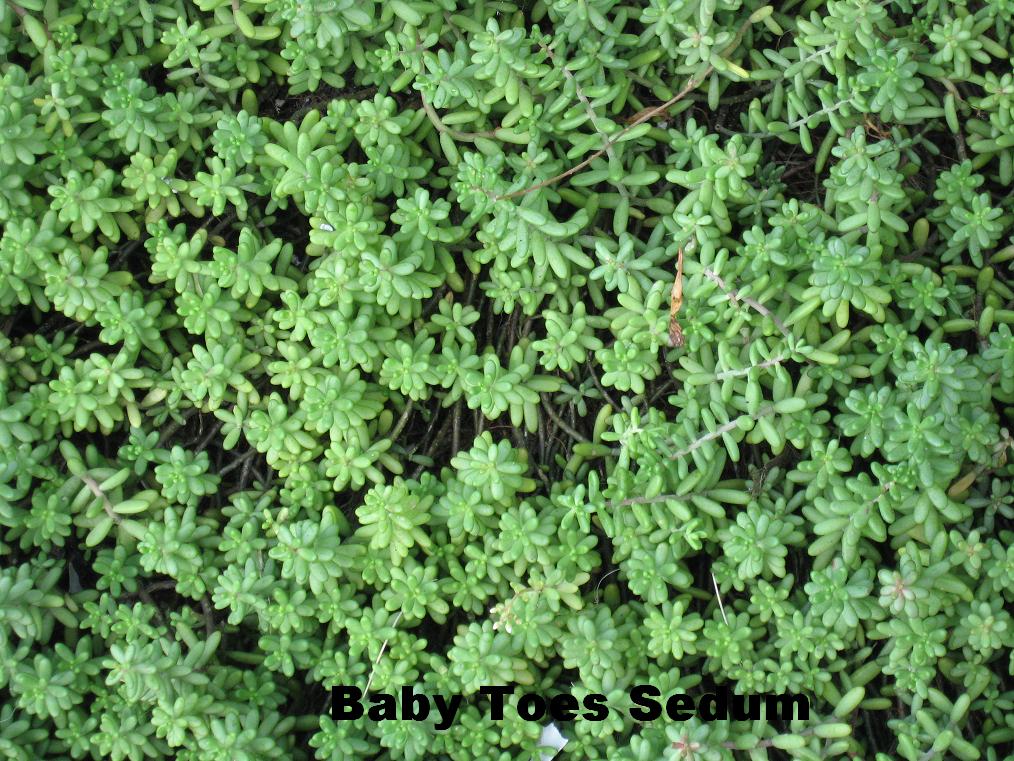
Baby Toes sedum. Perennial. Zones 3-8. This is a lovely low growing ground cover that spreads quite a lot. It grows to about 3" high and has fat, succulent leaves. It can withstand hot, dry conditions. It needs full sun to do its best.
Featured plant: Calendula
Calendula (Calendula officinalis).Annual. Full to part sun and it will grow to 3' if it has adequate water and good soil. It bears bright yellow or orange flowers. For healing, the blossoms are soaked in oil and either used like that or made into salves and ointments on skin irritations and conditions. A tea made of the blossoms is used as a rinse for blond hair to make it brighter. The petals are edible and may be sprinkled on salads to give it color. The main use it has is to be pretty in the garden. Will seed itself in all but the coldest zones (colder than Zone 4).
Buy the seeds here!
Buy the seeds here!
Friday, February 10, 2012
Featured plant: mugwort
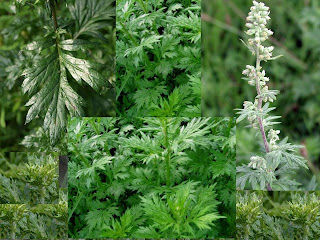
Mugwort (Artemesia vulgaris) plants. Mugwort is a perennial in Zones 4-10. It can become invasive if allowed to go to seed. This herb is known for stuffing pillows to help you sleep and have good dreams. It's bitter and it is used to improve the digestion after consuming much fatty meat. It's also used in Asian medicine as moxibustion. It grows to 5' or so and is best at the back of the border. It can seed itself and the clumps get bigger. It does bear small, round silverish flowers that feature yellow pollen. The blooms are interesting, but not spectacular in size, color, or fragrance. It can be cut back just after flowering to prevent rampant seed spread. It will grow best in full sun and ok in part sun. The clumps can be divided to provide more mature plants, but it will do a fine job of seeding itself. It isn't fussy about soil and requires water when too dry. Zones 4-10.
Buy seeds and plants here!
Featured plant: blue flax
Blue flax (Linum lewisii). Short lived Perennial. Zone 3-9. This native plant grows between 12-18" ' and does best in well drained soil with no sogginess. It tolerates drought but does best with water when dry. It prefers full sun and will tolerate poor soil. Will freely self seed and if you do not want rampant spread, dead head the spent flowers. I sowed seeds in groups of a dozen plants and it made a very attractive clump. It just keeps on flowering and flowering. One of the most satisfying plants I have. Pale blue and oh so floriforous.
Buy these seeds here!
Subscribe to:
Posts (Atom)